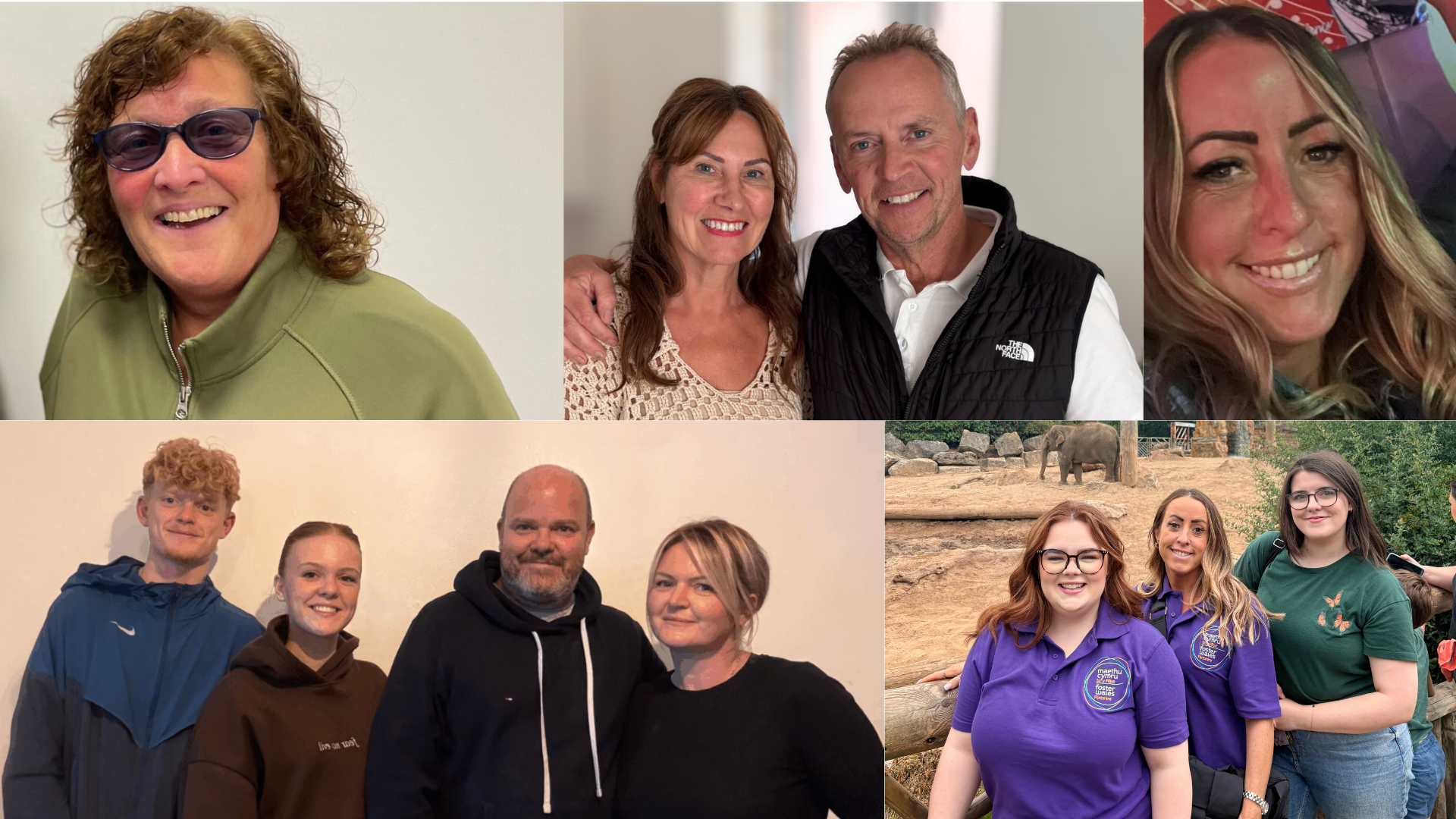
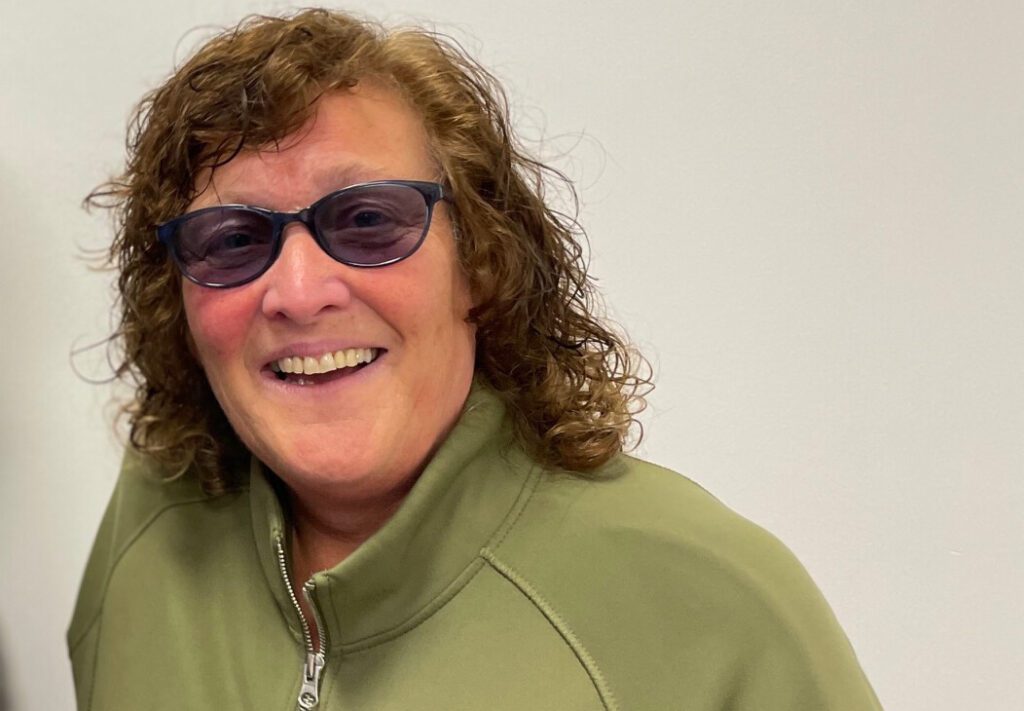
it takes a village: six years of mockingbird in Flintshire
Fostering was never meant to be something families had to do alone.
When a child comes into foster care, it is not only the child who needs support. Foster carers are taking on a huge responsibility, often navigating new experiences, challenges and emotions alongside the child in their care. Having people around them who understand the realities of fostering can make all the difference.
Sometimes, that support comes from someone who has been there before. Someone who can offer advice, lend a helping hand, provide a listening ear or simply understand when things are difficult.
In Flintshire, Mockingbird has grown into a community of foster families, children and young people who share experiences, friendships, activities and a sense of belonging. Flintshire was the first local authority in Wales to introduce Mockingbird and remains the only local authority in Wales to offer this approach. Six years after its introduction, its impact can be seen not only in the support available to foster carers, but in the relationships children and young people have been able to build and maintain.
And Foster Wales Flintshire has been at the heart of that journey.
so, what exactly is mockingbird?
Mockingbird is a family-based model developed by The Fostering Network. It brings together groups of foster families to create a supportive network that reflects the relationships you might find within an extended family.
At the heart of each community is a Hub Carer home, led by experienced foster carers who provide support to other families. Around them are Satellite Carers who become part of the wider Mockingbird community.
The support can look different for every family. It might mean a child spending time with another family they know and trust, a sleepover when a foster carer needs some breathing space, or simply having another carer nearby who understands what you are going through. Families can meet for activities, share experiences and develop friendships, while children and young people have opportunities to spend time together in a relaxed and informal environment.
But Mockingbird is about more than practical support. At its heart, it is about relationships and the sense of community that develops when foster families become part of one another’s lives.
Rachel, one of Flintshire’s Hub Carers, was drawn to the model because of her own experience growing up in a large extended family. She remembers her grandparents’ home being somewhere the wider family could come together and support one another.
“Seeing the extended family support that Mockingbird creates, and the way it brings children and foster carers closer together, is what motivated me to become a Mockingbird Hub Carer.”
Over time, families get to know one another. Children make friends. Foster carers build relationships with people who understand the realities of fostering. What begins as a group of foster families can gradually become something that feels much more like an extended family.
what does mockingbird mean to children?
Perhaps the best way to understand what Mockingbird offers is to hear from a child who has experienced it.
When one child in Flintshire was asked about their experience, they did not describe a fostering approach or talk about support structures. Instead, they talked about the things that mattered to them: spending time with friends, going on walks, painting, watching films, eating brownies and having fun.
“I had a sleep over for two nights, I did some painting, went for dog walkies, watched a movie, and ate some brownies. I can ask my carer for help. I have made two friends. We had fun at Loggerheads, and we enjoyed a picnic and an ice cream.”
It is a simple description, but it says a lot about what Mockingbird can mean to children and young people. It can provide familiar faces, friendships and opportunities to take part in ordinary activities with other children who may understand some of their experiences.
For them, Mockingbird is not necessarily about being part of a fostering programme. It can simply be about having somewhere to go, people they know and things to look forward to.
a community that helps keep siblings connected
One of the most powerful examples of Mockingbird’s impact in Flintshire is the experience of two siblings who came into the Mockingbird community after coming into foster care unexpectedly.
At the time, a suitable long-term match had not been found within Flintshire. Without another option, there was a risk that one of the siblings would have to move further away from the people, places and relationships that were important to them, and there was also the possibility that the siblings could be separated.
Two Mockingbird foster carers came forward and explored whether their approval could be extended so that the sibling could remain within the same Mockingbird community.
This meant the siblings could stay close to one another, remain connected to their family and friends and continue attending their school. They were also able to spend more informal time together through the Mockingbird community, rather than relying solely on formal family contact arrangements.
It is a powerful example of what can happen when foster families work together. Mockingbird did not simply provide support for a child already in foster care. It helped create a new opportunity for a child and their sibling at a time when the alternatives could have meant significant change and disruption.
supporting foster carers as well as children
While the experiences of children and young people are central to Mockingbird, the model also recognises that foster carers need support too.
Fostering can be rewarding, but it can also be challenging. Having a network of people around you who understand the role can provide reassurance, practical help and a sense that you are not facing difficult moments alone.
Sue, one of Flintshire’s Hub Carers, describes Mockingbird as a community built around that principle.
“To me, Mockingbird means working as a team, building relationships, supporting each other, being able to help and give advice, and keeping the children safe in our community as one big family.”
Cheryl, another of Flintshire’s Hub Carers, describes that sense of connection in a similar way:
“We are one big family, supporting one another through good and bad times, but making sure we have lots of fun along the way.”
That peer support can become particularly important when circumstances change unexpectedly. Having other foster carers around you means there is a community to turn to, whether you need practical help, advice or simply someone who understands.
when a community helps a family through difficult times
One Flintshire foster family experienced a particularly difficult period when the foster carer’s partner sadly passed away. The foster carer was left adjusting to life without their partner while continuing to care for the child living with them.
Although they were reluctant to stop fostering, the situation was understandably challenging. Through Mockingbird, they were able to access peer support, regular sleepovers and daytime assistance, giving them some practical help while they adjusted to their new circumstances.
At the same time, an opportunity developed to reconnect the child with their sibling, who had previously been part of the same Mockingbird community. The siblings had not seen one another for two years, but through conversations between their former foster carer and the wider network, they were able to begin reconnecting informally through Mockingbird events.
Today, that relationship continues through the community, while the foster carer continues to receive support around the child in their care.
For the family, Mockingbird became more than a place to attend activities. It provided a network around them at a time when they needed it most, while helping to create an opportunity for siblings to rebuild an important relationship.
more than sleepovers
When people first hear about Mockingbird, they may think of sleepovers or short stays. These are certainly an important part of how Mockingbird works. Between March 2020 and March 2025, Hub Homes in Flintshire provided 2,450 sleepovers, alongside thousands of other hours of support including day care, transport, activities and family contact.
It is about knowing who you can call when things become difficult, knowing that your child has people around them who they recognise and trust, and having other foster carers who understand the realities of the role because they are living it too.
It is also about the relationships that can continue even when a child’s circumstances change.
when relationships continue beyond foster care
One young person joined their foster carer’s home later in childhood after experiencing significant challenges in their early years. Although there had previously been concerns around animals, their foster carer focused on building trust, providing support and helping them become involved in everyday family life.
As part of this, the young person was introduced to helping care for the family’s small dog and several chickens. They helped feed them, gave them water and made sure the chickens were safely locked away at night.
A relationship quickly developed between the young person and the family dog, creating a positive routine and something they could take responsibility for.
Eventually, the young person moved into supported living. However, the relationship with their former foster carer did not simply end when they moved on from foster care. They continued to visit the family, the dog and the chickens, and described their time in the foster home as beneficial to their transition into supported living.
It is a reminder that fostering is not only about the time a child spends living in your home. The relationships created along the way can continue to matter long after circumstances change.
six years of mockingbird in Flintshire
Since Flintshire introduced Mockingbird in 2020, the community has continued to grow. By March 2025, it included 25 families supported by three Hub Carer homes, bringing 45 adults and 31 children and young people looked after into a connected network.
There have been thousands of moments of support alongside the 2,450 sleepovers, from day care and transport to family contact and shared activities. Families have spent time together at walks, bowling, picnics and days out, giving children and carers opportunities to build relationships in a relaxed environment.
But the numbers only tell part of the story. They do not show a child making a new friend, a foster carer picking up the phone because they know someone will understand, siblings spending time together or a family finding the support they need during a difficult period.
Those moments are harder to measure, but they are at the heart of what Mockingbird has become in Flintshire.
Lorraine, Mockingbird Liaison Officer in Flintshire, has been involved with Mockingbird for over six years and has seen first-hand how the community has developed.
“Having been involved in Mockingbird in Flintshire for over six years, I feel incredibly proud of how much it has grown. We have never lost sight of our goal to create normal, positive experiences for children in foster care, and I believe our community-based approach helps us achieve that. One of Mockingbird’s greatest strengths is the way it opens up new opportunities for support across our fostering community.”
Her reflection captures something important about Mockingbird. While it provides practical support to foster families, its value goes much further. It creates opportunities for children to experience friendship and normality, while giving foster carers a community around them that can offer support, encouragement and understanding.
sometimes, it really does take a village
Six years ago, Flintshire became the first local authority in Wales to introduce Mockingbird.
Since then, foster carers, children, young people and professionals have helped shape what it has become. What began as a new way of supporting foster families has grown into a community where relationships sit at the centre of everything.
A place where children can build friendships with others who understand and normalise their care experiences. A network where foster carers can ask for help, share advice and celebrate the good moments. A community where siblings can remain connected and where relationships can continue even when a child’s circumstances change.
And perhaps that is the simplest way to describe Mockingbird.
It is a reminder that fostering should never have to be done alone.
Because sometimes, it really does take a village.
could fostering be your next chapter?
If you live in Flintshire, contact Foster Wales Flintshire and a member of our dedicated team will be in touch for a friendly, no obligation conversation to help you explore if fostering is right for you.
If you live anywhere else in Wales, visit Foster Wales for more information and to find your Flintshire fostering team.
We use cookies on our website to give you the most relevant experience by remembering your preferences and repeat visits. By clicking “Accept All”, you consent to the use of ALL the cookies. However, you may visit "Cookie Settings" to provide a controlled consent.
This website uses cookies to improve your experience while you navigate through the website. Out of these, the cookies that are categorized as necessary are stored on your browser as they are essential for the working of basic functionalities of the website. We also use third-party cookies that help us analyse and understand how you use this website. These cookies will be stored in your browser only with your consent. You also have the option to opt-out of these cookies. But opting out of some of these cookies may affect your browsing experience.
Necessary cookies are absolutely essential for the website to function properly. These cookies ensure basic functionalities and security features of the website, anonymously.
Cookie
Duration
Description
cookielawinfo-checkbox-analytics
11 months
This cookie is set by GDPR Cookie Consent plugin. The cookie is used to store the user consent for the cookies in the category "Analytics".
cookielawinfo-checkbox-functional
11 months
The cookie is set by GDPR cookie consent to record the user consent for the cookies in the category "Functional".
cookielawinfo-checkbox-necessary
11 months
This cookie is set by GDPR Cookie Consent plugin. The cookies is used to store the user consent for the cookies in the category "Necessary".
cookielawinfo-checkbox-others
11 months
This cookie is set by GDPR Cookie Consent plugin. The cookie is used to store the user consent for the cookies in the category "Other.
cookielawinfo-checkbox-performance
11 months
This cookie is set by GDPR Cookie Consent plugin. The cookie is used to store the user consent for the cookies in the category "Performance".
viewed_cookie_policy
11 months
The cookie is set by the GDPR Cookie Consent plugin and is used to store whether or not user has consented to the use of cookies. It does not store any personal data.
Functional cookies help to perform certain functionalities like sharing the content of the website on social media platforms, collect feedbacks, and other third-party features.
Performance cookies are used to understand and analyze the key performance indexes of the website which helps in delivering a better user experience for the visitors.
Analytical cookies are used to understand how visitors interact with the website. These cookies help provide information on metrics the number of visitors, bounce rate, traffic source, etc.
Advertisement cookies are used to provide visitors with relevant ads and marketing campaigns. These cookies track visitors across websites and collect information to provide customized ads.